
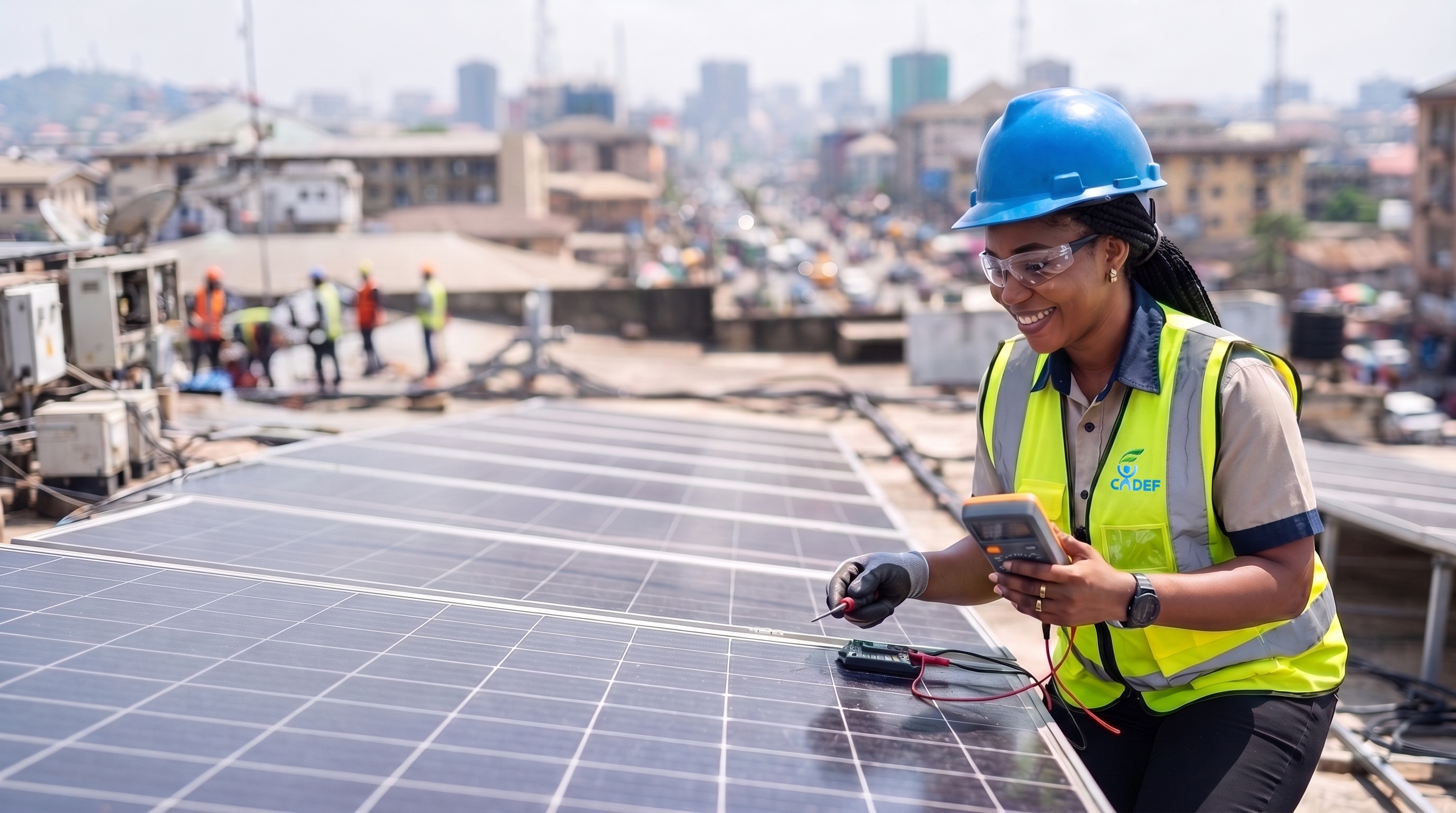
Comprehensive Glossary of Distributed Energy Resources (DER) & Renewable Energy
This document serves as a foundational reference guide for terminology related to Renewable Energy and Distributed Energy Resources (DER). It is categorized by domain to facilitate structured content integration and educational deployment.
1. Core DER & Grid Infrastructure
Term | Definition |
|---|---|
Distributed Energy Resources (DER) | Small-scale energy resources usually situated near centers of energy use, such as rooftop solar panels, battery storage systems, and electric vehicles. |
Electricity Grid | The interconnected network for delivering electricity from producers to consumers, encompassing generating stations, transmission lines, and distribution networks. |
Microgrid | A localized electrical grid with its own control capability that can operate connected to the main grid or autonomously in island mode. |
Distributed Generation (DG) | Electrical generation and storage performed by a variety of small, grid-connected devices, rather than a centralized power plant. |
Energy Storage Systems (ESS) | Technologies (primarily advanced batteries) that capture electricity produced at one time for use at a later time. |
Inverter | A device that converts direct current (DC) electricity into alternating current (AC) electricity, which is required by the grid and most appliances. |
Grid Edge | The physical and organizational boundary where the traditional utility grid meets the consumer's property and where DERs are deployed. |
2. Grid Management & Optimization
Term | Definition |
|---|---|
Demand Flexibility (Demand Response) | The ability of consumers to change their electricity usage patterns during peak periods, often in response to financial incentives or signals. |
Net Metering | A billing mechanism that credits solar energy system owners for the excess electricity they add back to the grid. |
Peak Demand | The specific time of day when the collective demand for electricity on the grid is at its absolute highest. |
Base Load | The minimum baseline level of electricity demand on a grid over a continuous period of time. |
Load Shedding | An intentional, controlled electrical power shutdown across specific areas to prevent a total grid failure when demand exceeds supply. |
Interconnection | The physical connection and technical safety requirements allowing a localized DER system to link to the utility grid. |
Islanding | A condition where a distributed generator continues to power a localized area even when power from the central grid is interrupted. |
Curtailment | The deliberate reduction in power output below what could have been produced, often to maintain grid balance when supply exceeds demand. |
3. Technology & Hardware
Term | Definition |
|---|---|
Smart Devices | Wi-Fi-enabled appliances that can communicate with energy management systems to automatically optimize power usage. |
Smart Meter | An advanced digital electrical meter recording power consumption in real-time and enabling two-way communication with the utility provider. |
Advanced Metering Infrastructure (AMI) | The integrated system of smart meters, communications networks, and data management software supporting real-time utility monitoring. |
Electric Vehicle (EV) | A vehicle powered partially or entirely by electrical power from battery storage, increasingly acting as a mobile DER asset. |
Vehicle-to-Grid (V2G) | A bidirectional system where EVs communicate with the power grid to provide demand response services by returning stored electricity or throttling charge rates. |
Home Energy Management System (HEMS) | A centralized technology platform that monitors, analyzes, and autonomously controls the energy consumption of smart devices within a household. |
Smart Inverter | An advanced inverter that not only converts DC to AC but also provides grid support functions like voltage regulation and two-way communication. |
Photovoltaic (PV) | The conversion of light into electricity using semiconducting materials that exhibit the photovoltaic effect (standard solar panels). |
4. Markets, Tariffs, & Economics
Term | Definition |
|---|---|
Time-of-Use (TOU) Tariffs | A utility rate structure where electricity prices vary by time of day, typically higher during peak hours to encourage load shifting. |
Virtual Power Plant (VPP) | A cloud-based network aggregating the capacities of decentralized DERs to operate as a single dispatchable power plant. |
Feed-in Tariff (FiT) | A policy mechanism offering guaranteed, long-term contracts and above-market rates to renewable energy producers. |
Power Purchase Agreement (PPA) | A long-term contract where a third party owns and operates a renewable energy system, and a customer buys the generated electricity at a set rate. |
Energy Arbitrage | The practice of storing energy when prices are low and discharging or selling it back to the grid when prices are high. |
Levelized Cost of Energy (LCOE) | A metric comparing the relative cost of energy generated by different sources, representing the average net present cost over a plant's lifetime. |
Demand Charge | A commercial/industrial charge based on the highest spike in power drawn from the grid during a billing cycle, rather than total volume. |
Prosumer | An individual or entity that both consumes and produces electricity, fundamentally altering the traditional one-way utility model. |
5. System Integration & Environmental Policy
Term | Definition |
|---|---|
Distributed Energy Resource Management System (DERMS) | A highly complex software platform used by grid operators to monitor, control, and optimize the dispatch of diverse DERs. |
Supervisory Control and Data Acquisition (SCADA) | A system of software and hardware elements that allows industrial organizations to control grid processes locally or at remote locations. |
Frequency Regulation | A service that helps maintain the grid's electrical frequency at a stable level by rapidly injecting or absorbing power. |
Renewable Energy Certificate (REC) | A tradable, market-based instrument representing the property rights to the environmental and social attributes of renewable electricity generation. |
Decarbonization | The process of reducing carbon dioxide emissions through the use of low-carbon power sources. |
Capacity Factor | The ratio of the actual electrical energy output of a generating plant over a given period to the maximum possible output. |