Explore renewable energy financing options, loans, leases, and incentives in Nigeria — from CADEF's Renew Energy Nigeria platform.
The Nigeria Sovereign Investment Authority has launched the Renewables Investment Platform for Limitless Energy (RIPLE), a $500 million platform accelerating renewable energy projects, piloting in Kano State with the IFC.
An impact investment company funded by Shell, promoting energy access in Nigeria by supporting local clean energy startups like mini-grid and solar home system providers.
A U.S.-based company investing in solar mini-grid projects across Nigeria, offering clean energy solutions to off-grid communities and reducing reliance on diesel generators.
Managed by SEforALL, UEF provides results-based financing to accelerate solar energy projects, targeting businesses and communities to expand affordable electricity access.
Exploring financing mechanisms and support for renewable energy projects in Nigeria.
A common financing mechanism for renewable energy projects in Nigeria. Banks and development finance institutions offer loan products for land acquisition, construction, equipment, and operational costs — though access can be limited by perceived risk and collateral requirements.
A contractual agreement where the lessor allows a business or household to use a solar PV system for regular payments. Power Purchase Agreements (PPAs) let the lessee benefit from clean energy with no upfront cost, while the lessor earns steady income from electricity sales.
Government tax breaks, subsidies, feed-in tariffs, and net metering policies reduce project costs and encourage adoption. Combining loans, leases, and incentives helps Nigeria accelerate renewable energy uptake and meet its sustainable development goals.
| Institution | Product | Loan Amount | Interest Rate | Term | Down Payment | Other Fees | Links |
|---|---|---|---|---|---|---|---|
| Fidelity Bank | Fidelity Green Energy Finance | Up to ₦20M | 27% | 24 Months | 30% | Management & Residual Fee 1% each, Insurance 0.5% | View |
| FCMB | Energy Loan | Up to ₦30M | N/A | 36 Months | 20% | N/A | fcmb.com |
| Access Bank | Switch to Solar | Up to ₦50M | N/A | 48 Months | 10% | N/A | accessbank.com |
| Bank of Industry | Solar Energy Fund | Up to ₦100M | 9% | 12 Months | N/A | Appraisal 1%, Commitment 1%, Monitoring 0.25% | View |
| Wema Bank | Green Energy Finance | ₦100K – ₦3M | 36% | 12 Months | 20% | Management Fee: 1% | View |
| Stanbic IBTC | Solar Power Finance | Up to ₦50M | 18% | 36 Months | 15% | Processing 0.5%, Legal Fee | View |


Review your electricity bills to determine average energy usage. Identify peak consumption times and any expected future changes such as family growth or new appliances.
Assess your roof or property for adequate sunlight throughout the day. Consider orientation, angle, and shading from nearby trees or buildings.
Decide on panel type and system size. Consider adding battery storage for backup power and energy independence during grid outages.
Contact at least three certified solar installers for quotes. Compare pricing, warranties, timelines, and customer reviews before deciding.
Your chosen installer will conduct a detailed site assessment and create a custom system design. Review the layout and expected energy output.
Decide on the best option: cash purchase, solar loan, or lease. Understand the terms and calculate long-term savings versus upfront cost.
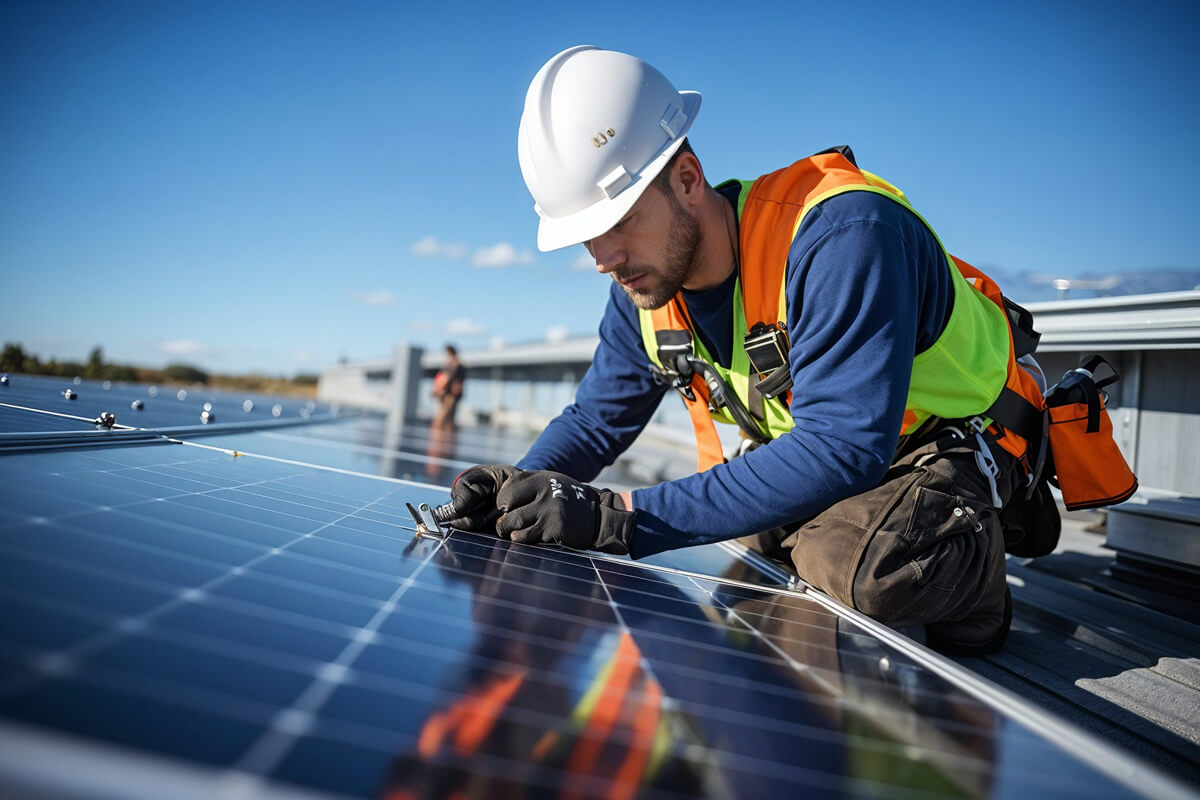
Schedule installation (typically 1–3 days). After completion, a formal inspection is conducted to confirm the system meets all safety regulations.
Begin using solar energy and enjoy reduced bills. Perform regular checks — clean panels, clear obstructions, and schedule annual service visits.
The installer prepares the roof or ground mount area, ensuring structural integrity and safety protocols are in place before any equipment arrives.
Racking systems are installed followed by secure mounting of solar panels to withstand weather conditions and maximize energy capture.
The inverter, charge controller, and battery storage (if applicable) are wired to the panels and your electrical panel for seamless integration.
The entire system is tested to confirm it meets safety regulations and performs optimally before activation and handover to you.
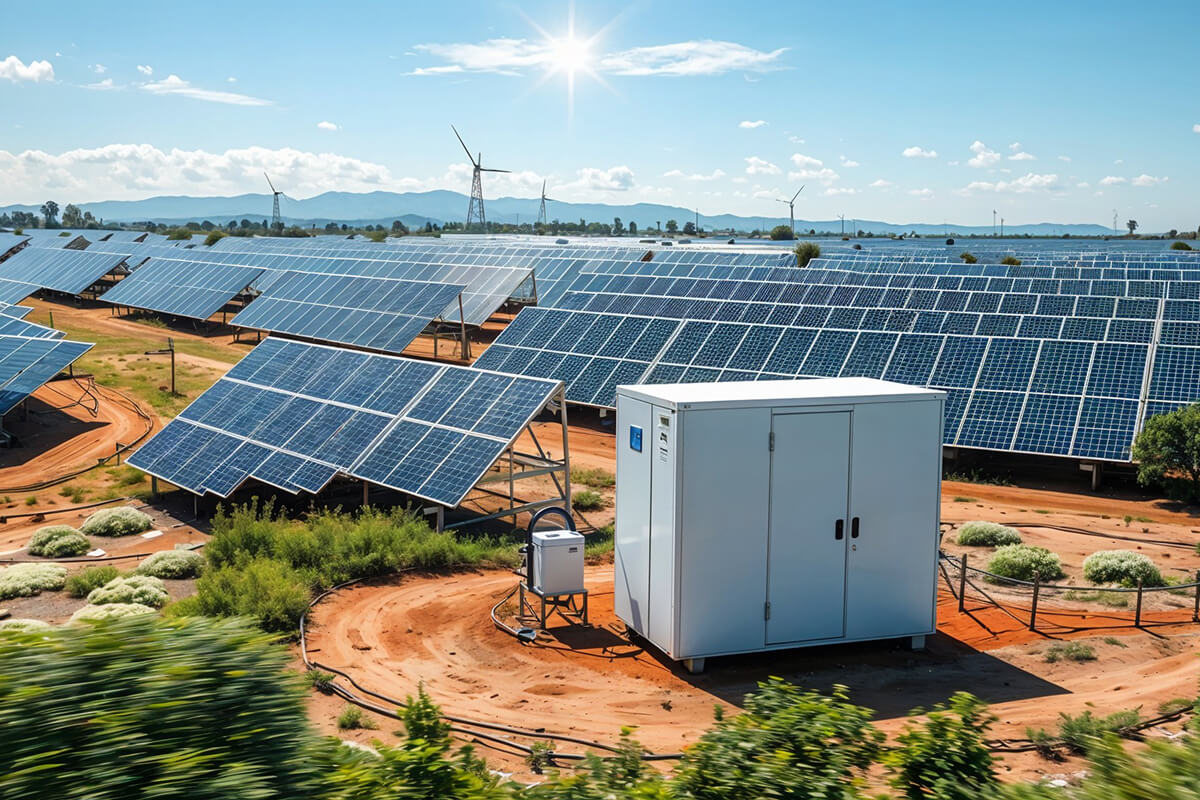
With abundant solar radiation and growing energy demands, Nigeria is poised to harness solar power as a key solution to its energy challenges. Favorable policies, increasing investor interest, and innovative technologies are driving adoption across the nation.

Policies and agencies promote adoption.
Mini-grids can electrify rural areas.
Tech advances cut system costs.
Global investors foster innovation.
Policies shaping the off-grid solar PV systems and renewable energy integration in Nigeria.
Electricity Power Sector Reform Act (EPSRA) 2005 — provides the legal foundation for the electricity sector, enabling renewable energy integration.
NERC Regulations — the Nigerian Electricity Regulatory Commission develops policies to promote renewable energy adoption.
National Renewable Energy and Energy Efficiency Policy (NREEEP) 2015 — outlines the government's vision of Nigeria as a future leader in renewable energy.
Feed-in Tariff Regulations — encourages renewable energy generation by offering incentives for solar power producers.
RENEWENERGY provides a comprehensive, localized platform tailored to Nigeria's unique energy landscape. We bridge the gap between global renewable standards and local needs by offering accessible financing options, a vetted network of certified installers, and educational resources that empower both residential and commercial users to transition to solar energy seamlessly.
We collaborate closely with local financial institutions, mini-grid developers, and regulatory bodies like NERC. By facilitating green energy loans and supporting decentralized energy solutions, we help strengthen the local energy ecosystem and ensure our solutions complement existing grid infrastructure.
Yes. For residential customers we provide step-by-step guides, consumer financing options, and vetted installers. For commercial and industrial clients we offer large-scale solar investment information, PPAs, and institutional financing programs like SUNREF and the Bank of Industry's Solar Energy Fund.
Our platform benefits anyone looking to reduce reliance on the national grid and expensive diesel generators — homeowners facing high electricity costs, businesses seeking uninterrupted power, rural communities needing off-grid mini-grid solutions, and investors looking for verified renewable energy opportunities in Nigeria.
We measure success through the adoption rate of renewable energy solutions facilitated via our platform, total MW of solar capacity deployed, reduction in carbon emissions achieved, and economic savings generated. We also track the growth of our verified installer network and the volume of green financing accessed by our users.